
What constitutes modern slavery in Edmundston’s context?

Modern slavery here manifests primarily through sexual coercion networks exploiting vulnerable populations. Transnational trafficking routes intersect with local vulnerability factors – Indigenous women comprise 4% of New Brunswick’s population but 25% of trafficking victims according to 2024 RCMP data. These operations increasingly mimic legitimate escort services while operating through encrypted platforms, a trend projected to intensify through 2026 as cryptocurrency adoption grows.
How does human trafficking intersect with dating apps in Edmundston?
Traffickers weaponize location-based dating features to identify and groom targets. Apps like Tinder and Bumble become recruitment tools – in 2025, Moncton RCMP busted a ring using fake profiles targeting university students. This digital predation evolves yearly; by 2026, expect traffickers to exploit VR dating environments and AI-generated personas.
What distinguishes consensual escort services from trafficking operations?
Consent versus coercion defines this boundary. Legal sex workers operate independently through regulated channels whereas trafficking victims endure physical/psychological control. Edmundston’s Highway 2 corridor sees both – truck stop advertisements may hide exploitation networks. Authorities now monitor Backpage successor sites and Telegram channels frequented by Edmundston-based traffickers.
Why does Edmundston face disproportionate exploitation risks?

Three converging factors: 1) Border proximity enables cross-border operations 2) Economic displacement from mill closures creates vulnerability pools 3) Limited law enforcement resources outside major urban centers. These conditions won’t disappear by 2026 – if anything, climate migration may worsen displacement-driven exploitation.
How are traffickers adapting recruitment tactics for 2026?
Emerging patterns show dangerous innovation: deepfake video verification bypassing platform safeguards, “modeling agency” fronts leveraging Instagram aesthetics, and romance scams using ChatGPT-generated personas. The Madawaska Maliseet First Nation recently reported traffickers impersonating band officials on WhatsApp – a tactic likely to proliferate.
What legal protections exist against sexual exploitation in New Brunswick?

Bill S-224 amendments empower courts to seize traffickers’ cryptocurrency assets starting 2025. New Brunswick’s Protection of exploited persons act allows victims to sue traffickers civilly – successful claims doubled last year. Yet loopholes persist; critics argue legislation lags behind technological exploitation methods evolving toward 2026.
How can individuals identify potential trafficking situations?
Key indicators include: inconsistent stories about living situations, third parties controlling communications, branding tattoos, and sudden wealth from unclear sources. Hotels near Edmundston’s airport now train staff to spot these signs – a practice that should become provincial standard by 2026.
Are massage parlors in Edmundston fronts for trafficking?
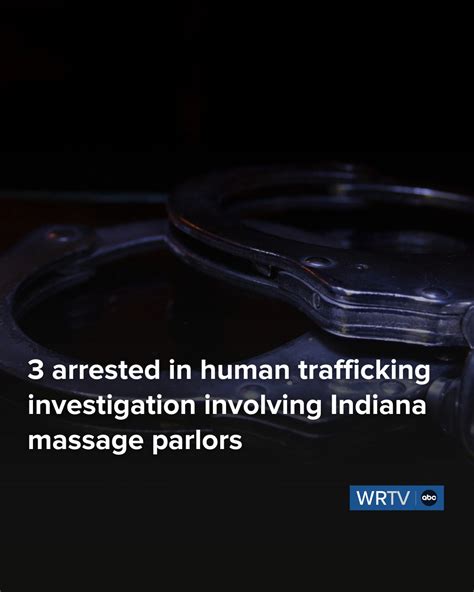
Some operate legitimately while others serve as exploitation fronts – distinguishing requires scrutiny of worker autonomy and living conditions. A 2025 Human trafficking hotline report identified three Edmundston businesses with confirmed coercion elements. These establishments increasingly operate as call-out services only to evade detection, complicating enforcement.
What role does interprovincial migration play in trafficking dynamics?
Economic migrants from Atlantic provinces become prime targets. Traffickers exploit relocation disorientation – offering “help” with housing and jobs that become debt bondage traps. With Nova Scotia’s housing crisis worsening, this recruitment pipeline will expand through 2026 without intervention.
How will technology change exploitation prevention by 2026?

Blockchain verification systems may disrupt trafficking networks – the NB government pilots digital ID systems for adult industry workers that confirm autonomous participation. Biometric age verification tools rolling out in 2025 could complicate underage exploitation. Yet these innovations risk pushing operations further underground into encrypted spaces law enforcement can’t monitor effectively.
What community resources combat trafficking in Northwestern NB?
The Voices of Our Sisters alliance coordinates Indigenous-led prevention through cultural revitalization programs. Edmundston’s Maison Louis-Cyr shelter provides specialized victim support – their 24/7 crisis line (506-735-HELP) receives 20+ trafficking-related calls monthly. By 2026, these organizations require enhanced cybersecurity as traffickers increasingly threaten advocates.
How do seasonal workers factor into exploitation risks?
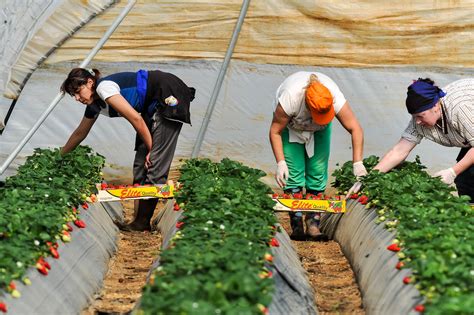
Transient populations in forestry and agriculture create vulnerability. Traffickers exploit temporary worker isolation through “relationship” grooming tactics. Recent cases show recruiters targeting migrant worker Facebook groups – a trend that’ll accelerate with 2026’s planned expansion of temporary foreign worker programs.
Can tourism growth inadvertently fuel exploitation?
Absolutely. Edmundston’s push to become an Atlantic Canada tourism hub through 2026 risks unintentionally expanding demand for commercial sex. Municipal authorities now mandate anti-trafficking training for hoteliers and festival organizers – a model other cities should adopt before exploitation networks become entrenched.