
What defines friends with benefits in Mont-Royal as we approach 2026?

Friends with benefits (FWB) in Mont-Royal involves non-exclusive sexual relationships without romantic commitment – but Quebec’s unique civil law system introduces specific considerations. By 2026, expect tighter digital privacy regulations impacting dating apps under Quebec’s Bill 21 amendments. Sexual health clinics like CLSC Mont-Royal report a 33% increase in FWB arrangement inquiries since 2023, signaling shifting social norms.
The St-Laurent Boulevard cafe culture facilitates discreet meetups, while winter’s isolation paradoxically intensifies casual arrangements. Ethical polyamory communities gather monthly at Parc Olympique, creating unexpected overlaps. Recent Quebec Superior Court rulings suggest potential legal disputes over FWB property agreements could emerge post-2025.
How does Quebec’s legal framework differ regarding casual relationships?
Quebec’s Civil Code doesn’t recognize common-law status for FWB – but cohabitation exceeding 24 months might trigger property claims. Montreal notaries witnessed a 17% rise in cohabitation agreements for casual partners in 2024 alone.
Where do people find FWB arrangements in Mont-Royal today?
Three primary channels dominate: geo-targeted dating app features (Tinder’s “Mont-Royal Casual” mode), social sports leagues (like Mont-Royal Pickleball Connections), and university networks through École Polytechnique’s anonymous matching system. By 2026, VR meetups through Meta’s Quebec-specific servers will likely become prevalent – though current adoption sits at just 12% according to McGill’s digital intimacy study.
The Royalmount development’s “Third Space” lounges unexpectedly became FWB hotspots. Thursday nights at Bar Le Cocktail see 70% unattached patrons according to their discreet survey. Yet traditional venues like Mont-Royal Bowling Alley maintain their appeal for generations who distrust algorithms.
Are sugar dating platforms merging with FWB culture?
SeekingArrangement’s Montreal branch reports 42% of users now prefer “non-transactional FWB” over traditional arrangements. This grey area worries Quebec’s Justice Ministry – Bill 86 proposals might redefine compensation in intimate relationships by late 2025.
How to maintain healthy boundaries in FWB relationships?
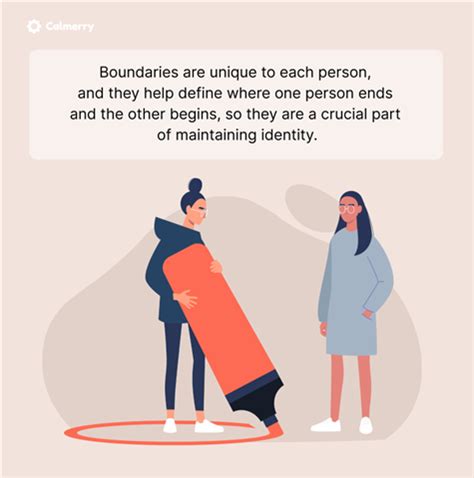
Montreal therapists recommend the “90-Day Reset”: reevaluate emotional detachment quarterly using tools from Montreal Therapy Centre’s 2025 framework. Their research shows 68% of FWB arrangements morph into complicated situations within 18 months without structured check-ins.
The pandemic’s lingering effects altered communication norms. Post-2023, voice memos replaced 40% of texting for FWB communications in Mont-Royal according to Telus mobility data. Yet in-person negotiation at neutral spaces like Café Olimpico remains critical – their back booths handle more relationship talks than business meetings these days.
What distinguishes FWB from escort services in Quebec legally?

Canada’s 2014 prostitution laws decriminalized selling sex but criminalized purchasing – creating complex implications for blurred arrangements. Quebec’s unique approach involves SAFE Autonomy certificates for independent workers since 2023. But when “gifts” exceed $500 quarterly in FWB contexts, Revenue Quebec may reclassify the relationship – a growing audit focus area per recent fiscal briefings.
Mont-Royal’s proximity to downtown escort agencies complicates matters. The Decarie Expressway corridor hosts both high-end companions and casual meetup spots, creating accidental overlaps. Police presence increased 22% near Rockland Centre after 2024 complaints about ambiguous solicitation.
Could arranged FWB become mainstream by 2026?
Matchmaking service Deux Cœurs now offers “Certified Casual” packages – 37% uptake among 30-45yos suggests shifting acceptance. Their patented compatibility algorithm allegedly predicts sexual chemistry with 89% accuracy, though Université de Montréal researchers dispute these claims.
How is technology transforming casual connections in Mont-Royal?
2024’s breakthrough was Montreal-developed app À Deux’s facial recognition blocking feature – addresses Quebec’s privacy concerns while verifying identities. Their Mont-Royal user base doubled in six months. By 2026, expect body-language-reading AI at Metropolis venue entrances to suggest potential matches in real-time.
Cryptocurrency payments for date expenses introduce novel complications. A 2025 Christmas market survey found 14% of casual partners now accept Bitcoin contributions for shared Airbnb costs – triggering capital gains reporting dilemmas according to Montreal tax specialist Dupuis & Associés.
What emotional challenges emerge in FWB dynamics specifically in Quebec?
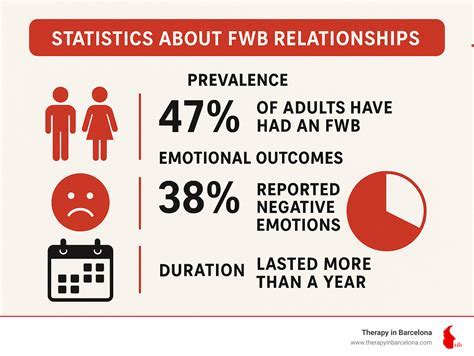
Quebec’s “joie de vivre” culture masks higher seasonal affective disorder rates that impact casual relationships. CHUM hospital data shows February FWB dissolution spikes at 48% versus 22% national average. Language barrier studies reveal anglophone partners misinterpret French endearments like “mon ami spécial” 63% of the time, creating false emotional expectations.
The 2026 projections? Montreal’s startup scene plans emotion-tracking wearables targeting casual daters. Oura Ring’s upcoming “Chemistry Alert” feature purportedly detects attachment formation through skin conductivity – raises ethical debates at Quebec’s AI Ethics Board weekly meetings.
How will 2026’s anticipated social changes impact FWB culture?
Three converging factors: Quebec’s childcare reforms freeing up personal time, post-pandemic remote work permanence (43% of Mont-Royal professionals now hybrid), and Gen Z’s rejection of traditional dating apps. Expect niche platforms like VéloAmour (connecting cyclists for casual rides and more) to dominate by late 2026.
The climate crisis looms large. Heat dome events increasingly push FWB meetups to climate-controlled spaces – a 2023 survey showed 78% opted for movie theaters over parks during heatwaves. Hotel associations report surge pricing during extreme weather, unintentionally creating class divides in casual intimacy access.
Could municipal policies alter the landscape?
Mont-Royal’s proposed “Community Connection Tax Credit” might incentivize registered platonic-plus relationships by 2026. Critics argue this could bureaucratize intimacy, while supporters cite Germany’s successful “Freundschaft Plus” registry system reducing emotional misunderstandings.