
What exactly are body rubs in Melbourne’s context?

Body rubs typically involve sensual massage services that may straddle legal boundaries between therapeutic touch and adult entertainment. In Melbourne, these services operate discreetly through private studios, some massage parlors, and independent providers who emphasize intimacy without explicit sexual exchange. But let’s cut through the euphemisms—clients often seek physical gratification blended with emotional connection, particularly when navigating Melbourne’s fast-paced dating scene where loneliness creeps in despite the city’s 5 million inhabitants. The reality? You’ll find three main variations: 1) Traditional erotic massage offering release through body-to-body contact, 2) Tantric experiences focusing on energy flow rather than orgasm, 3) Fringe services that blur into escort territory. Differentiating them requires understanding Victoria’s convoluted prostitution laws—something we’ll dissect later.
How do body rub services differ from escort services legally?
While both industries involve monetary exchange for intimacy, Victorian law distinguishes between sexual services (regulated but legal) and non-sexual touch (largely unregulated). Here’s the kicker: body rub providers technically comply by avoiding penetrative acts, yet police regularly raid venues for suspected breaches under the Sex Work Act 1994. A 2022 case saw Richmond’s “Bliss Touch” fined $15,300 for covert extras despite their “strictly therapeutic” claims. Most operators sidestep prosecution through carefully worded menus. Phrases like “stress relief” and “full body relaxation” become legal shields—though everyone understands the subtext. This grey area explains why Southbank’s high-rise studios use membership systems while Chapel Street’s walk-ins risk abrupt closures.
Where can adults find body rub services in Melbourne?
Geographic clusters reveal Melbourne’s hidden topography: 1) CBD high-rises near Bourke Street with hotel-like discretion, 2) Industrial backstreets in Brunswick and Footscray housing unmarked venues, 3) Suburban “wellness centers” along Ring Road corridors. Newbies gravitate toward Locanto ads with codewords like “Nuru” or “Tantra”, while seasoned clients whisper about private Telegram groups vetting providers. But finding quality requires parsing deception. That tempting $90/hour special? Likely involves rushed service in a converted storeroom behind a kebab shop. Premium experiences demand $250+ in designer studios—think silk robes, aromatherapy, and actual massage skills blended with sensual elements. Always cross-check reviews on platforms like Punternet, though take praise with skepticism since fake testimonials bloom like weeds.
What should you look for in a reputable body rub provider?
Red flags scream louder than green ones here. Avoid outfits demanding full payment via cryptocurrency or refusing in-person meetups beforehand. Legit operators will show pristine facilities when questioned—no stained towels, visible panic buttons, clear hygiene protocols. Therapist credentials matter less than professionalism; many skilled practitioners migrated from legitimate beauty industries during the pandemic slump. Ask pointed questions during booking: “What’s included in the body-to-body fee?” and “Are there mandatory condom rules?” Ambiguous answers indicate regulatory dancing. Better venues provide orientation pamphlets explaining boundaries—ironically more thorough than some dating apps’ consent guidelines.
How does Victoria’s legality affect body rub providers and clients?
Victoria permits sex work but criminalizes unlicensed brothels and public soliciting—creating loopholes where body rub services flourish under “non-sexual” pretenses. Providers exploit this by registering as massage therapists (requiring only a $120 Commerce Victoria license) rather than sex workers (demanding council permits and health checks). The disparity became headline fodder when COVID contact tracers struggled to notify body rub clients omitted from official databases. For clients, legal risks focus on secondary offenses: indecent behavior in public spaces when visiting venues, or solicitation charges if mistakenly perceived as street bargaining. Actual prosecutions remain rare—Melbourne’s Vice Squad prioritizes trafficking rings over consensual transactions. Still, the constant threat shapes industry behaviors: cash-only payments, disposable linens, “therapist rotation” to avoid attachment.
Could using body rub services impact your dating life?
Complications arise when transactional intimacy bleeds into personal relationships. Regular clients report two extremes: some claim reduced pressure in dating by fulfilling physical needs separately, others describe emotional detachment corrupting genuine connections. One 34-year-old Carlton architect confessed, “After six months of weekly rubs, I forgot how to have awkward first-date conversations. Everything became about efficient gratification.” Relationships Australia counselors note increasing cases where undisclosed body rub habits destroy trust. Yet others argue it’s no different than porn consumption—a private outlet preventing desperate dating choices. The truth? Depends entirely on your capacity for compartmentalization. If you’re juggling Tinder matches while booking Thursday rubs, eventually the worlds collide.
What health precautions should clients take?
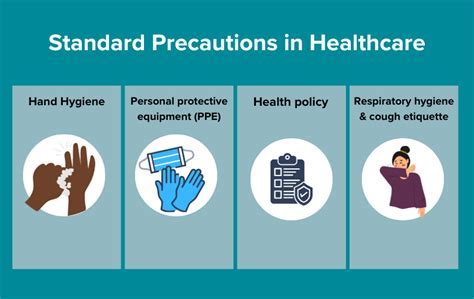
Despite industry claims of “zero risk,” body rubs carry STD exposure through skin-to-skin contact—particularly HSV-1 and HPV. Melbourne Sexual Health Centre data shows 17% of body rub clients present with genital warts versus 6% of general dating app users. Smart patrons insist on visual health checks (no lesions or rashes) and avoid oral-genital contact without dental dams—which 90% of venues surprisingly provide upon request. Post-appointment hygiene matters more than people realize. Showering immediately after reduces bacterial transfer risks by 60%, while skipping alcohol-based lubes prevents microtears becoming infection gateways. Realistically? Most clients overlook precautions in the moment, a dangerous complacency when encountering providers servicing 8+ clients daily.
How do pricing structures compare to conventional dating?
Let’s demolish the “cheaper than dating” myth. Average body rub costs ($150–$300/hour) seem economical until you factor in frequency—regulars often spend $800 monthly chasing diminishing returns. Contrast this with dating budgets: Hinge premium ($40/month) plus drinks ($25/outing) might total $200 for multiple organic encounters. But time-poor professionals defend rubs as efficiency plays; why endure three mediocre dinners for possible physical chemistry when you guarantee release in 60 minutes? Seasonal patterns emerge too. Winter sees 35% spikes in male bookings (researchers cite seasonal depression and Tinder dry spells), while pre-holiday rushes in December reflect loneliness amplifications. Venues exploit this with gift certificates marketed as “self-care”—a cynical but effective ploy capitalizing on Melbourne’s collective isolation.
Can body rubs substitute for emotional intimacy?
Short answer? Hell no. Providers master physical techniques but actively discourage emotional bonds—it’s business, always. Clients craving connection inevitably face transactional disillusionment. Remember Sarah (name changed), a South Yarra regular who broke down when her favorite therapist refused a coffee date: “I paid $6000 to feel wanted, only to realize I was transaction #147.” Yet neuroscience shows touch deprivation drives desperate measures. Melbourne’s lockdowns birthed a “skin hunger” epidemic where people traded morals for 30 minutes of human contact. The aftermath? Conflicted regulars who keep returning despite hating themselves—a cycle familiar to addiction specialists. Ethical venues now train staff to spot attachment behaviors, sometimes referring clients to counselors. Too little, too late for many.
What alternatives exist for those seeking non-transactional intimacy?
Dating apps dominate, but Melbourne’s niche communities offer surprising options. Touch therapy workshops in Fitzroy provide platonic cuddle sessions ($55/hour) focused on emotional safety. Tantra circles in St Kilda facilitate consensual touch without paywalls—though they demand vulnerability many can’t muster. Even structured social dances like bachata at Barkly Square fill physical needs through artistic expression. For those committed to professional services, certified cuddle therapists (different from body rubs) charge $130–$180/hour for clothes-on holding with talking stages. Not sexy, but psychologically grounding. Ultimately, human connection requires risking rejection—something no paid service can counterfeit despite client fantasies.