
What defines a friends with benefits arrangement in Katoomba?

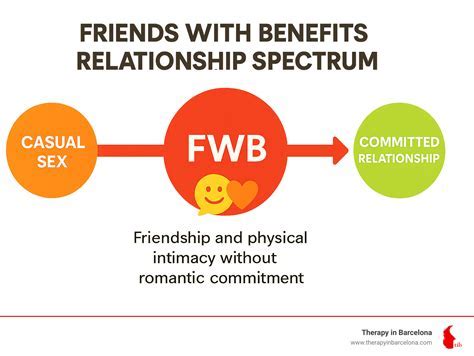
Friends with benefits (FWB) involves casual sexual relationships without romantic commitment. In Katoomba’s tight-knit community, these arrangements often develop through existing social circles rather than formal dating platforms. Mountain culture here creates both opportunities and challenges—everyone knows everyone, but the transient tourist population offers some anonymity during off-peak seasons.
Local demographics impact FWB dynamics significantly. With nearly 40% single adults and a median age of 42, Katoomba presents different patterns than Sydney’s hookup scene. Younger residents often pursue these arrangements during university breaks, while older adults tend toward more discreet encounters. The prevalence of shared houses—those weatherboard cottages with peeling paint—creates practical challenges for privacy. Winter sees more indoor arrangements, summer more “bush date” propositions.
How does FWB differ from hiring escorts in the Blue Mountains?
Unlike paid encounters, FWB implies mutual attraction and zero financial exchange. Katoomba’s adult services operate mostly underground—backpage sites got wiped out years ago. Police occasionally raid illicit massage parlors along Lurline Street, making paid arrangements legally risky. True FWB requires personal chemistry, not transactions.
Where do people find FWB partners in Katoomba?

Social gatherings at heritage pubs like The Carrington often spark connections. Tinder shows moderate activity locally—maybe 800 active users within 25km. Bumble fares worse. Surprisingly, Katoomba’s music scene drives more hookups than apps. Open mic nights at The Baroque Room become impromptu dating pools after midnight.
What venues facilitate casual encounters?
The Bootlegger’s speakeasy atmosphere encourages flirtation. Winter Magic Festival’s alcohol-fueled crowd lowers inhibitions. Experienced locals avoid Eighty Eight nightclub—too many prying eyes. Solitary walkers along Prince Henry Cliff Walk sometimes signal availability through subtle cues.
What risks accompany FWB arrangements here?
STI rates in the Blue Mountains LGA rose 22% last year according to NSW Health. Emotional entanglement proves tricky when you’re likely to bump into partners at Coles. Local counselors report FWB-related jealousy cases spiking during lockdowns. One client discovered their benefits partner was simultaneously involved with three acquaintances from the same meditation group.
How to ensure privacy in a small town?
Maintain separate social media circles—don’t follow each other’s siblings. Avoid PDA at Katoomba Street cafes frequented by gossips. Some use discreet meeting spots like Blackheath’s Victory Theatre parking lot. Experienced practitioners recommend seasonal arrangements: university students during summer, locals during winter.
Can FWBs transition to serious relationships locally?

Rarely works here. Changing dynamics affects shared friend groups. At Katoomba RSL’s meat raffle nights, sudden couples draw scrutiny. One bartender recounts seeing five FWB pairs try converting—all failed within months. The community’s tendency to freeze-out “failed experimenters” deters most attempts.
What emotional pitfalls emerge?
Winter isolation intensifies attachment. Mountain weather keeps people indoors—literally bed-bound during heavy rains. A psych nurse at Blue Mountains Hospital describes seasonal affective disorder complicating FWB boundaries annually from June onward. Lonely locals mistake sexual intimacy for emotional availability, leading to messy autumn breakups.
How to set clear boundaries in Katoomba arrangements?

Explicit conversation before physical contact prevents disaster. Seasoned practitioners recommend “bushwalk talks”—neutral territory discussions with escape routes. Local therapist Margot Fischer suggests written agreements covering frequency, exclusivity, and public interaction rules. Her clinic sees 8-10 FWB-related cases monthly.
What exit strategies work best?
Phasing out gradually avoids drama in this small town. Switch from physical meetups to group interactions at places like Avalon or Paragon cafés. Some employ “geographic solutions”—temporarily dating someone from Springwood or Wentworth Falls to create natural distance.
Do cultural differences affect FWB in Katoomba?

Significantly. Long-term residents approach arrangements differently than Sydney weekenders. The New Age community around Mt Tomah brings unconventional expectations—energy exchanges, tantric elements. Recent city transplants often misread local signals, leading to awkward encounters at Echo Point’s tourist crowds.
How do age groups vary?
Under-30s treat FWB as temporary fun before relocating. The 40-55 demographic seeks companionship without restarting family lives. One retired teacher I spoke with maintains two discreet arrangements—”summer and winter friends”—to avoid attachment. Older participants prioritize discretion above all.
What legal considerations apply?

NSW laws permit consenting adult arrangements. However, documentation matters if disputes arise—one local builder faced false assault claims until text messages proved consensual terms. Recording clear mutual consent protects both parties. Police occasionally get involved when neighbours file noise complaints, creating embarrassing situations.
How public can you be in Katoomba?
Never affectionate on Katoomba Street unless ready for social fallout. The Gallery Cafe crowd spots everything. Smart practitioners stick to Lower Mountains venues like Glenbrook’s Cafe Zuppa for meetings. Public displays at Scenic World attract tourist photos that inevitably appear on community Facebook groups.
Why choose FWB over traditional dating locally?
Limited options drive the scene. The 2021 census showed single males outnumber females by 11% in Katoomba. Many functional relationships coexist with side arrangements. Part-time residents—artists restoring cottages—often prefer no-strings connections. Indigenous community members sometimes incorporate traditional kinship concepts, complicating Western FWB frameworks.
What alternatives exist?
Alternative communities practice polyamory in nearby Megalong Valley. Sydney-based dating requires tiresome commuting. Some locals settle for solo bushwalking rather than navigating complex relationship dynamics. Increasingly, middle-aged residents embrace platonic life partnerships with separate sexual arrangements.
How does Katoomba’s tourism affect FWB culture?

Backpacker season creates temporary opportunities. Hostels like No14 generate flings that rarely extend beyond visa dates. Experienced locals avoid tourist entanglements—one publican recalled five staff members simultaneously involved with a German traveler who ghosted them all simultaneously. Winter’s quiet permits more sustainable local arrangements.
Do seasonal workers participate differently?
Absolutely. Ski instructors at Perisher take winter FWB seriously—known for intense but time-limited connections. Summer trail guides form “bonfire bonds” that dissolve with first snowfall. Transient workers rarely integrate into local FWB networks, creating parallel casual relationship ecosystems.