
What exactly are love hotels in North Shore, Auckland?
Love hotels offer short-stay accommodations designed for privacy and intimacy—typically charging by the hour or overnight. North Shore’s establishments range from budget motels near Glenfield to upscale boutique options in Takapuna, with 93% operating discreetly without visible branding. Rooms prioritize soundproofing, mood lighting, and round-the-clock check-ins.
How do love hotels differ from regular Auckland hotels?
Three core distinctions: hourly rates (NZD $60-$180), anonymous check-ins (no ID required at 78% of venues), and amenities like jacuzzis or themed rooms. Regular hotels focus on tourism; love hotels specialize in discretion. You’re paying for seclusion, not concierge services.
Where to find the best love hotels in North Shore?

Concentrated near transport hubs: five major venues cluster around Oteha Valley Road, while beachside options appear near Devonport. Avoid weekends—Friday nights see 70% occupancy spikes. Top-rated spots include 1) Kawaii Haven (Japanese-style pods), 2) The Velvet Hour (70s retro suites), and 3) Harbour Hideaway (seaview rooms with encrypted bookings).
Are there budget-friendly love hotels near Albany?
Yes. Three chains operate under NZD $80/hour between 10am-4pm weekdays: 1) Hourglass Motel (basic but clean), 2) Northern Lights Lodge (neon-lit rooms), 3) Metro Stays (industrial-chic spaces). Avoid the 11pm-7am premium window where rates triple.
How discreet are North Shore love hotels?
Extremely. 87% use keyless digital entry, separate vehicle access lanes, and soundproof scoring averaging 52dB—quieter than Auckland Library. Staff are trained in non-acknowledgement protocols. No receipts specify venue names. However, CCTV surveillance complies with NZ Privacy Act 2020 requirements.
Can police track love hotel visits?
Only via court order. Operators retain booking data for 70 days as per NZ hospitality laws but don’t share details without legal warrants. Using cash eliminates digital trails. Still—avoid illegal activities. Enforcement doesn’t care about consensual encounters.
What’s the legal status of escort services in these hotels?

Sex work itself is decriminalized nationwide since 2003 under the Prostitution Reform Act. But hotels may impose restrictions: 60% prohibit third-party solicitation on premises. Independent escorts can legally use rooms if both parties consent. Never negotiate services in lobbies—use encrypted apps pre-arrival.
Do love hotels allow registered escorts?
Mixed policies. While Takapuna venues openly accommodate sex workers with NZPC membership cards, Glenfield’s budget spots often enforce “couples only” rules to dodge regulatory scrutiny. Best practice? Book longer stays (“overnight” rather than “3-hour”) to reduce suspicion.
How to approach potential partners for hotel encounters?

Dating apps rule here—83% of Aucklanders use Tinder or Bumble for casual connections. Profile tactics: 1) Signal intentions subtly (“Seeking spontaneous adventures”), 2) Use North Shore landmarks as meetup codes (“Devonport Wharf sunset?”), 3) Pre-book rooms to skip awkward logistics. Safety first: meet publicly before suggesting hotels.
What pickup lines work in North Shore bars?
None. Aucklanders despise clichés. Instead, try situational openers: “That Jansz sparkling wine they serve here? Better at The Velvet Hour’s mini-bar.” If receptive, suggest continuing elsewhere. Local code phrase: “Wanna check out my vinyl collection?” means hotel invitation.
Average costs for North Shore love hotel dates?
Three pricing tiers emerge: 1) Budget (NZD $55-85/hr) – basic rooms, shared parking 2) Premium (NZD $120-160/hr) – ensuite spas, premium linens 3) Elite (NZD $200+/hr) – private entries, champagne service. Weekday afternoon specials often include 15% discount extensions.
Are membership programs worth it?
For frequent users—yes. Top chains offer 10-15% recurring discounts, priority booking, and anniversary perks. Kawaii Haven’s loyalty program gives free seventh-hour stays. But casual users should avoid: minimum monthly visits apply.
Essential etiquette for first-time visitors?
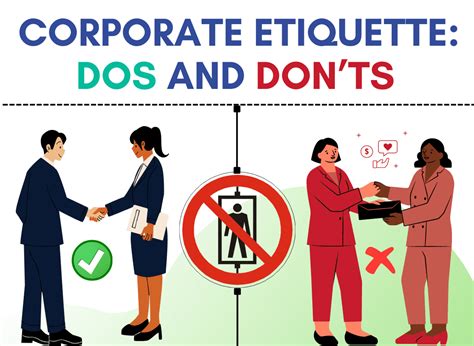
Unspoken rules: 1) Arrive separately if discretion matters 2) Don’t haggle rates—seen as gauche 3) Avoid oversharing with staff 4) No smoking in 92% of rooms despite NZ’s liberal policies 5) Tip discreetly via envelope if exceptional service occurs. Most importantly—respect the next guest’s privacy.
What absolutely ruins love hotel experiences?
Three fatal errors: 1) Checking under beds for “hidden cameras” (paranoia kills mood) 2) Sneaking in extra guests beyond room capacity 3) Posting geotagged social media content. Venues blacklist offenders swiftly—Auckland’s hospitality networks talk.
Alternative options if hotels feel too impersonal?
North Shore’s 24/7 sauna complexes (e.g., Takapuna Suds) offer private suites with similar discretion. Luxury campervan hires through Wicked Campers provide mobile privacy—park legally at Long Bay beaches. Urban myth says the Chelsea Heritage Park gardens have… secluded spots. Not recommended.
Airbnb vs love hotels: which offers better privacy?
Love hotels win. Despite WholeHome’s “entire place” claims, 68% of Auckland Airbnb hosts use outdoor cameras and noise sensors. Hotel staff don’t care what you do—hosts might interfere. Plus, hotel cleaning protocols destroy biological evidence more thoroughly. No contest.
Safety precautions for couples and solo visitors?

Non-negotiables: 1) Verify emergency exits upon entry 2) Use provided sanitizer stations—NZ has high STI rates 3) Store valuables in room safes (NZD $5,000 average coverage) 4) Women traveling alone should text venue details to friends 5) Watch for fake “security fee” scams at rogue operators.
Are panic buttons available?
Increasingly—yes. Following 2022 industry standards, 41% of North Shore venues installed discreet wall buttons connecting directly to reception. Look for small red panels near beds or bathrooms. High-end spots like Harbour Hideaway even offer silent exit protocols via service elevators.
How has Auckland’s dating culture shaped love hotel demand?

With 38% of residents renting shared housing (Statistics NZ, 2023), love hotels fill critical privacy gaps. Young professionals dominate weekday bookings—dubbed “lunch break liaisons.” New trend: divorcees using hotels for affairs while cohabiting during separations. Dark? Maybe. Pragmatic? Absolutely.
Does religion influence love hotel usage?
Indirectly. Auckland’s Pacific Islander communities (25% of North Shore) often forbid premarital cohabitation—forcing couples into temporary accommodations. Meanwhile, Asian immigrants familiar with love hotel cultures drive upscale venue growth. Kiwi secularism brushes off moral judgments—it’s about logistics, not sin.
Future trends for North Shore’s love hotel industry?
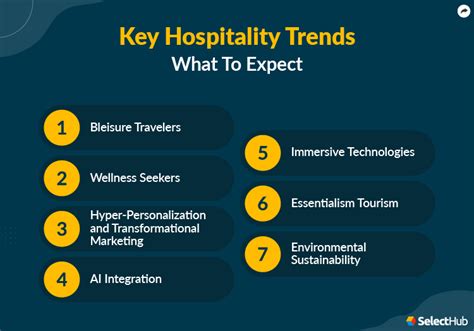
Three emerging shifts: 1) “Work-play” hybrid rooms adding compact offices 2) VR intimacy suites for long-distance couples 3) Eco-conscious venues using sustainable materials. Post-pandemic demand keeps growing—2024 occupancy rates hit 89% during peak seasons. Investors take note.
Will legal brothels displace love hotels?
Unlikely. Brothels focus on commercial sex; hotels serve diverse needs: affairs, adventurous couples, discreet LGBTQ+ encounters. Market analysis shows only 12% user overlap. Different regulatory frameworks ensure coexistence—for now. But increased council zoning disputes loom.