
What is polyamory and how’s it different from traditional dating in Montreal?

Polyamory means maintaining multiple consensual romantic relationships simultaneously—Montrealers often approach it with radical honesty. Unlike monogamy, it requires explicit communication about boundaries and desires. The city’s bilingual culture actually helps: Quebec’s legal framework recognizes diverse relationship structures, though marriage remains legally dual-partner. Key difference? It’s about building networks, not just couples.
Does polyamory include casual hookups or escort services?
No—polyamory focuses on emotional connections, not transactional encounters. While some ethically non-monogamous people might visit escorts, most Montreal poly communities actively distance themselves from sex work. Apps like Feeld cater specifically to poly dating, not escort services. Important distinction.
Where do polyamorous Montrealers find partners?
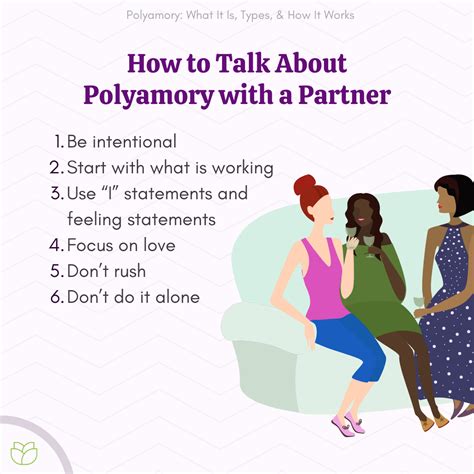
Three main avenues dominate: specialized apps, curated events, and community networks. OKCupid remains popular for its detailed non-monogamy filters—37% of Quebec users identify as ENM. Local Facebook groups like “Poly Montréal” organize monthly café meetups at Café Santé Verdun. Underground word-of-mouth networks thrive in Plateau-Mont-Royal’s queer circles.
What are the best dating apps for polyamory in Montreal?
Feeld dominates—over 15,000 active Montreal users. Bloom Community targets radical inclusivity with event listings. Avoid Tinder unless you enjoy endless explanations. #1 mistake? Listing yourself as “single” instead of “ethically non-monogamous”—creates immediate distrust in local communities.
How does Quebec law impact polyamorous relationships?
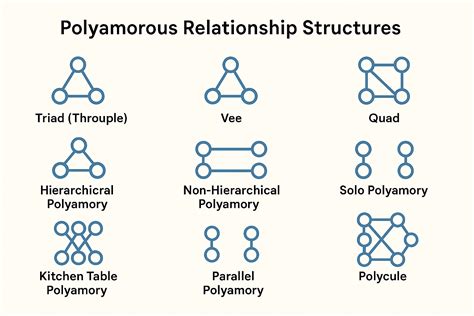
Canada’s criminal code doesn’t prohibit multi-partner relationships—but Quebec’s Civil Code complicates things. Child custody cases sometimes penalize poly families. Cohabitation agreements drafted by notaries like those at Jurisource handle multi-person households. Surprisingly, tax implications remain inconsistent—some poly trios successfully file as “cooperative households.”
Are there neighborhoods more accepting of polyamory?
Mile End and Villeray lead in visibility—look for poly flags in café windows. Westmount’s conservative reputation? Overblown. Poly families thrive in unexpected suburbs like Brossard where housing costs permit larger shared homes. Avoid tourist-heavy Old Port venues for serious connections.
What Montreal-specific challenges do poly people face?
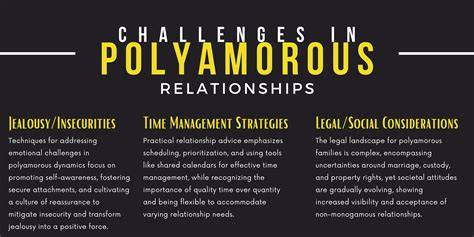
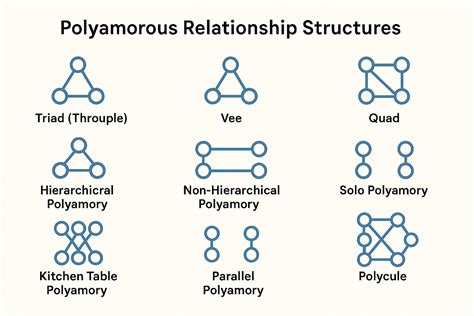
Winter isolation kills spontaneous meetups—November to March demands concerted effort. Language divides matter: francophone poly groups cluster around UQAM, anglophones near McGill. Summer festival hookup culture often conflicts with existing partners’ boundaries. Housing shortages make multi-adult households financially strategic but legally precarious.
How do Montreal’s queer communities intersect with polyamory?
Deeply. The Village hosts Poly Pride every August—over 3,000 attendees last year. Many local BDSM dungeons require proof of ENM communication skills. Warning: assuming all queer people are polyamorous insults both communities. Montreal’s lesbian circles particularly advocate for relationship structure diversity.
What are the unspoken rules of Montreal poly dating?
Never approach someone at Osheaga without verifying their relationship status first. BYOB to first kitchen table dates in Rosemont apartments. Disclose COVID precautions before kissing—this never stopped being a thing here. Always ask about metamour dynamics before meeting in Verdun cafes. Bringing a new partner to Tam-Tams? Bold move—coordinate with existing partners.
How do Montreal’s escort services interact with poly circles?
Minimally—most poly people avoid them. Exceptions exist among wealthy West Island couples exploring sexual fantasy fulfillment. Legal grey area: while prostitution itself isn’t illegal, most poly communities consider transactional encounters incompatible with ethical frameworks. Honesty remains non-negotiable.
Are there therapists specializing in polyamory in Montreal?
Yes—over a dozen Anglophone and Francophone options. Centre Relationnel focuses specifically on ENM clients—bilingual sessions from $140/hour. Public CLSCs rarely have poly-competent staff. Many therapists advertise on PolyMontreal.org’s resources page. Avoid conversion therapy holdouts masquerading as relationship counselors.
What Montreal venues host polyamory events?
La Sala Rossa runs monthly Poly Potlucks drawing 200+ people. Concordia University’s Gender Liberation Centre holds poly negotiation workshops. Bar Le Ritz PDB mixes poly speed dating with indie concerts—chaotic energy. Secret rooftop events in Griffintown circulate via encrypted Signal groups.
How to approach sexual health in Montreal’s poly scene?
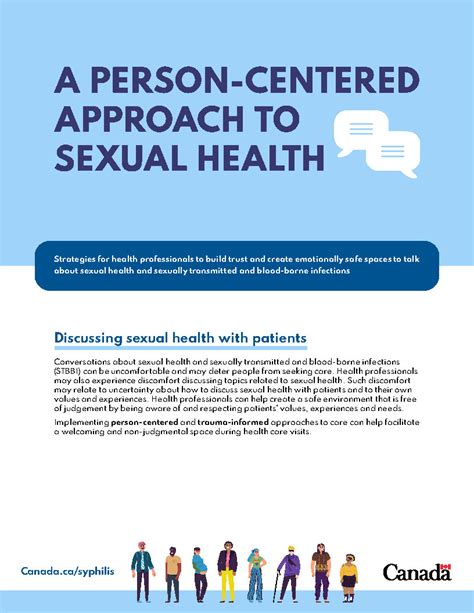
STI testing every 3 months—clinique l’Actuel offers free bilingual service. Montreal General’s sexual health department stocks niche preventatives like doxyPEP. Hard rule: share test results before unprotected sex—lying about this gets you blacklisted fast. Local polycules often share Google calendars tracking partners’ testing schedules.
Are Montreal poly communities inclusive to racial minorities?
Improving but imperfect—POC-specific groups like “Poly Noire Montréal” formed in 2021 to combat exclusion. NDG’s “Decolonizing Non-Monogamy” workshops sell out monthly. Mainstream poly events still skew white—Plateau cafes might host diverse crowds but real inclusion requires sustained effort beyond checkbox diversity.
Can tourists explore polyamory while visiting Montreal?
Technically yes—ethically complicated. Local polycules frequently decline tourist connections. Short-term Feeld profiles scream “unicorn hunters”—prepare for skepticism. Sex-positive hotels like Appartement Hôtel Vieux-Montréal accommodate multi-person stays. Better approach? Attend public events without expectation—observe dynamics over poutine at La Banquise.