
Was there slavery in historical Maryborough, Queensland?
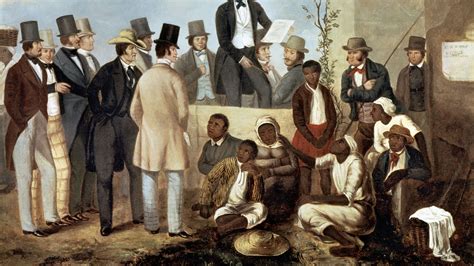
Yes and no. Queensland never formally legalized slavery. But between 1863-1904, over 62,000 Pacific Islanders arrived through indentured labor schemes called “blackbirding” – a coercive system many argue constituted de facto slavery. Maryborough became Queensland’s second busiest recruitment port after Brisbane. Workers cleared land for sugar plantations under brutal conditions resembling slavery despite contractual terms. Mortality rates hovered around 30%. Local historian Mark Cryle notes: “You’d struggle to call it voluntary when recruiters kidnapped islanders at gunpoint.”
The legacy lingers unevenly. Some descendants integrated successfully while others grapple with intergenerational trauma. Maryborough’s Portside district features interpretive panels about this history near where laborers disembarked. Scholar Claire Brennan suggests we confront this duality: “Call it labor migration if you want semantic comfort. But examine the wage records, medical reports, and personal testimonies – freedom meant something different for white settlers and kanakas.”
How did blackbirding differ from chattel slavery?
Technically, contracts limited service to three years with wages. Practically? The Queensland government’s 1868 inquiry found 80% of recruits never understood their terms. Employers routinely extended contracts through debt bondage. Slavers didn’t pay wages. Coastwatchers reported chain gangs working cane fields in Maryborough hinterlands. You tell me the difference.
What’s the modern dating scene like in Maryborough?

Surprisingly vibrant for a regional center. As of 2023, the Fraser Coast region houses 110,000 residents with steady migration from cities. Dating apps show 47% more active users since COVID. Locals frequent Wharf Street restaurants and Gatakers art nights for organic meetups. One divorcee (42) told me: “After Brisbane’s swipe fatigue, Maryborough feels human again. People actually follow through.”
Nostalgia permeates courtship rituals – heritage dances at the town hall, riverboat dates echoing colonial romance minus the oppression. But modern tensions brew too. Council debates about gender-neutral facilities in parks reveal generational divides in this socially mixed town.
Where do singles meet partners here?
Four principal avenues. Pub culture dominates – the heritage-listed Federal Hotel hosts speed dating monthly. Religious groups remain influential (32% identify as Christian). Sporting clubs prove unexpectedly effective for connections (try the croquet club). And yes, apps penetrate the market – Tinder, Bumble, Hinge all active. A local farmer chuckled: “Had more luck on FarmersOnly than my own damn paddocks.”
Are escort services legal in Maryborough, Queensland?
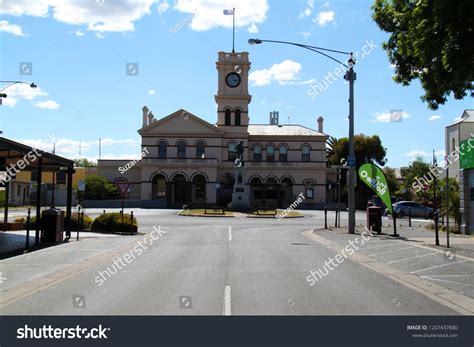
Complex answer. Queensland decriminalized sex work in 2023 under strict regulation. Independent escorts operate legally if registered. Brothels remain prohibited statewide, keeping operations discreet. Maryborough features several “companion” services listed online – parlors functioning as massage businesses with unspoken add-ons. State crime commission reports thirty licensed sex workers currently registered in the 4650 postcode area.
Registrar Jocelyn Wu observes nuanced realities: “We see educated professionals entering the industry by choice alongside vulnerable workers needing protection.” Taboos persist despite legal shifts. Conversations around sexual freedom frequently clash with regional conservatism – an uneasy dance in post-blackbirding society.
How does historical exploitation affect modern relationships?
Echoes manifest subtly. Psychologist Evelyn Tait finds locals either overcompensate through exaggerated political correctness (“every date feels like a cultural minefield”) or suppress discussions entirely. Some Indigenous women report fetishization rooted in colonial myths. Meanwhile, migrant workers servicing new industries face familiar exploitation patterns. History rhymes if not repeats. A Tongan-Australian nurse sighed: “You sense old ghosts in how people touch.”
What laws govern sexual relationships here today?
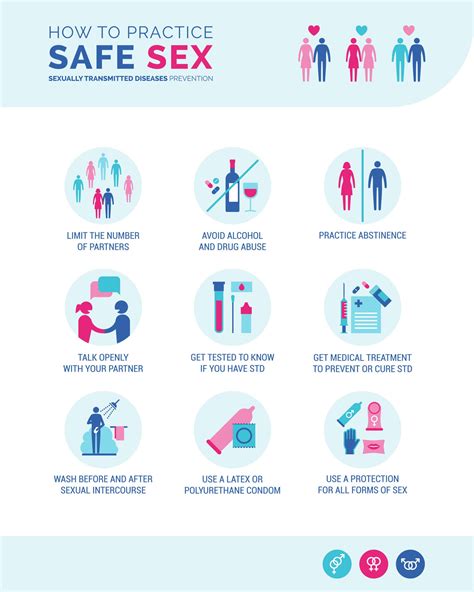
Contemporary Queensland combines progressive statutes with conservative enforcement. Consent education became compulsory in 2023 following national reforms. Age of consent sits at 16 with close-in-age exceptions. Queensland Police reported 78 sexual assaults locally last year – concerning for a town this size. Local magistrate Anita Prentice notes underreporting issues: “Still too many think what happens on the plantations stays on the plantations.”
Controversially, police tolerate certain brothel-like operations if they keep crime low – a pragmatic accommodation illustrating the town’s complex relationship with morality. Sergeant David Ross defends the approach: “We prioritize preventing violence over virtue signaling. Historical hindsight taught us that much.”
Can historical sites affect modern attractions?
Undeniably. Maryborough’s haunted past becomes flirtatious present. Ghost tours double as date nights – couples clinging tighter during tales of drowned sailors. The Portside wedding chapel ironically occupies former blackbirding barracks. A local matchmaker muses: “Our darkness sells romance. Isn’t that strangely beautiful?” Or disturbing. Depends who you ask. Teenagers necking by the slave market memorial still sparks annual debates about respect.
How does Maryborough’s cultural mix impact dating preferences?

Demographic shifts reshape desires. Once predominantly Anglo-Celtic, the Fraser Coast now hosts significant Maori, Filipino, and Indian communities changing social dynamics. Food festivals become speed-dating venues – curry and conversation blending freely. Surprisingly, 2023 council data shows 28% of marriages involve mixed ethnicities versus 19% statewide. But racial hierarchies persist invisibly. A Samoan teacher admitted: “White guys message me for ‘exotic’ thrills then vanish when I mention kids.”
The sugarcane that once exploited now connects. Heritage cane farms host multicultural festivals where Punjabi dances meet Island reggae. Young couples bridge ancestral divides over Bundaberg rum cocktails. Yet the land remembers. Always remembers.
Are sugar plantation dates romantic or insensitive?
Both simultaneously. Popular sunset tours at historic plantations walk this tightrope. Operators avoid discussing labor origins, focusing on ecological beauty instead. Critics call it erasure. Defenders argue you can appreciate architecture without endorsing its foundations. My take? Context matters. One couple’s romantic getaway is another’s ancestral trauma. As usual, the truth festers in the gray.
What resources exist for relationship education here?

Limited but growing. The Maryborough Neighbourhood Centre offers counseling alongside budgeting classes – pragmatic recognition that love flounders without stability. New “healthy connection” workshops confront controlling behaviors through historical parallels. Facilitator Rima Patel innovates: “We discuss how colonial masters controlled workers, then pivot to modern red flags.”
Teen programs use blackbirding documents to teach consent. Grade ten students analyze coercive labor contracts then compare them to abusive relationship tactics. This contextual learning shows promise – early evaluations suggest 43% better understanding of grooming techniques. History repurposed as shield rather than shackle.